When to visit Madagascar? A season-by-season guide
Madagascar's climate varies a lot by season and region, and the "right" time to go really depends on what you want to do and where — the island is too large for one answer to fit everyone.
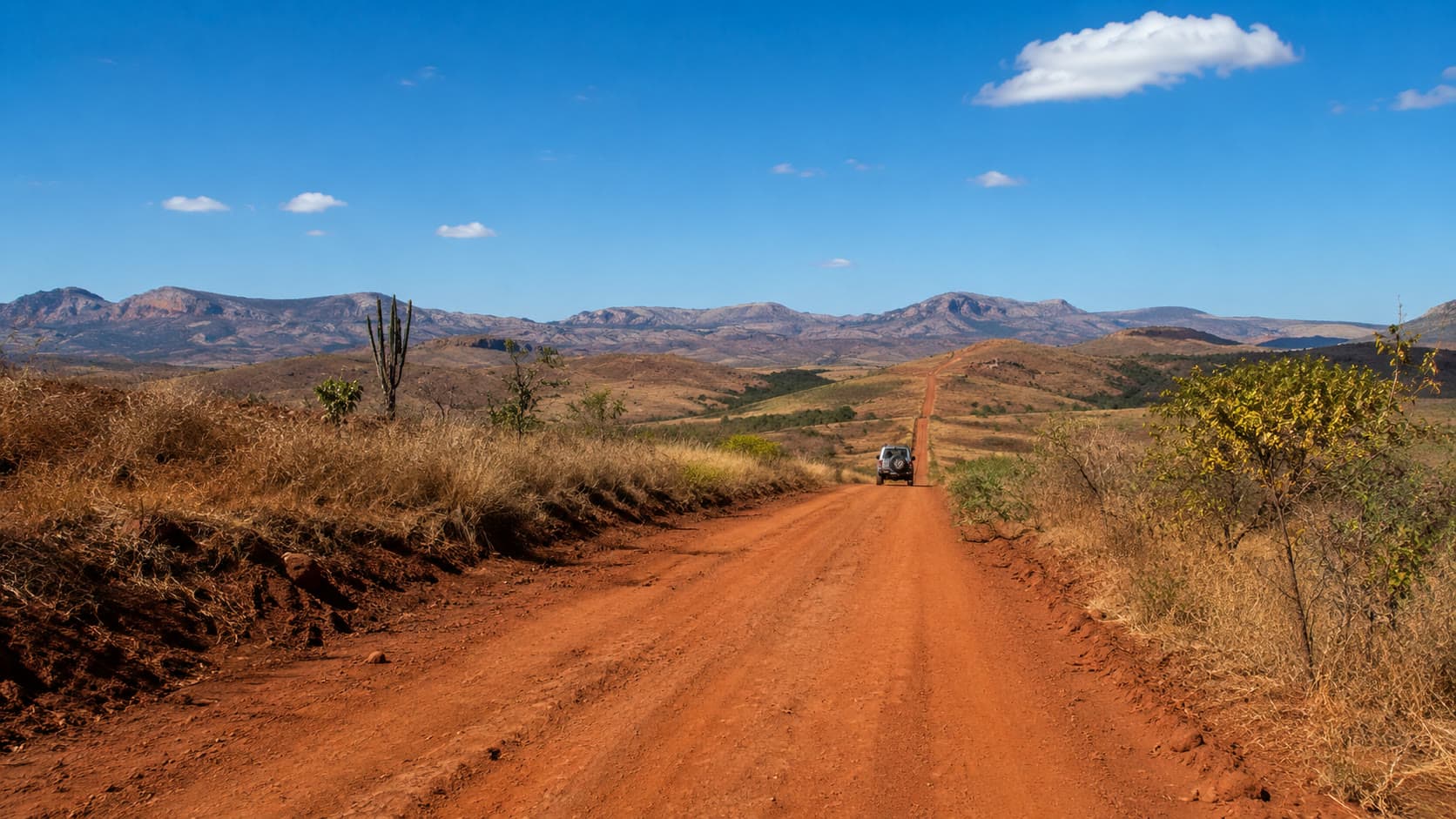
The dry season, roughly April to November, is the most commonly recommended window for a first trip: tracks are passable, the air is drier (especially May to September, the coolest stretch on the highlands), and it's also the best window for spotting lemurs in parks like Andasibe or Isalo.
The rainy season, December to March, carries most of the cyclone risk — mainly on the east coast and the north, between January and March. That doesn't necessarily mean avoiding it altogether: landscapes are greener, prices are often softer, and parts of the west and south stay accessible. But it does mean building flexibility into the itinerary.
The north-western islands (Nosy Be, Nosy Iranja) have a slightly different profile: the dry season runs longer there and temperatures stay fairly stable year-round, making them a relatively safer option even outside the classic April–November window.
Our advice: if your dates are fixed, tell us in the questionnaire — we'll adapt the itinerary to the regions that suit that period, rather than the other way round.